


Types of Industrial Power Distribution and Control Panels
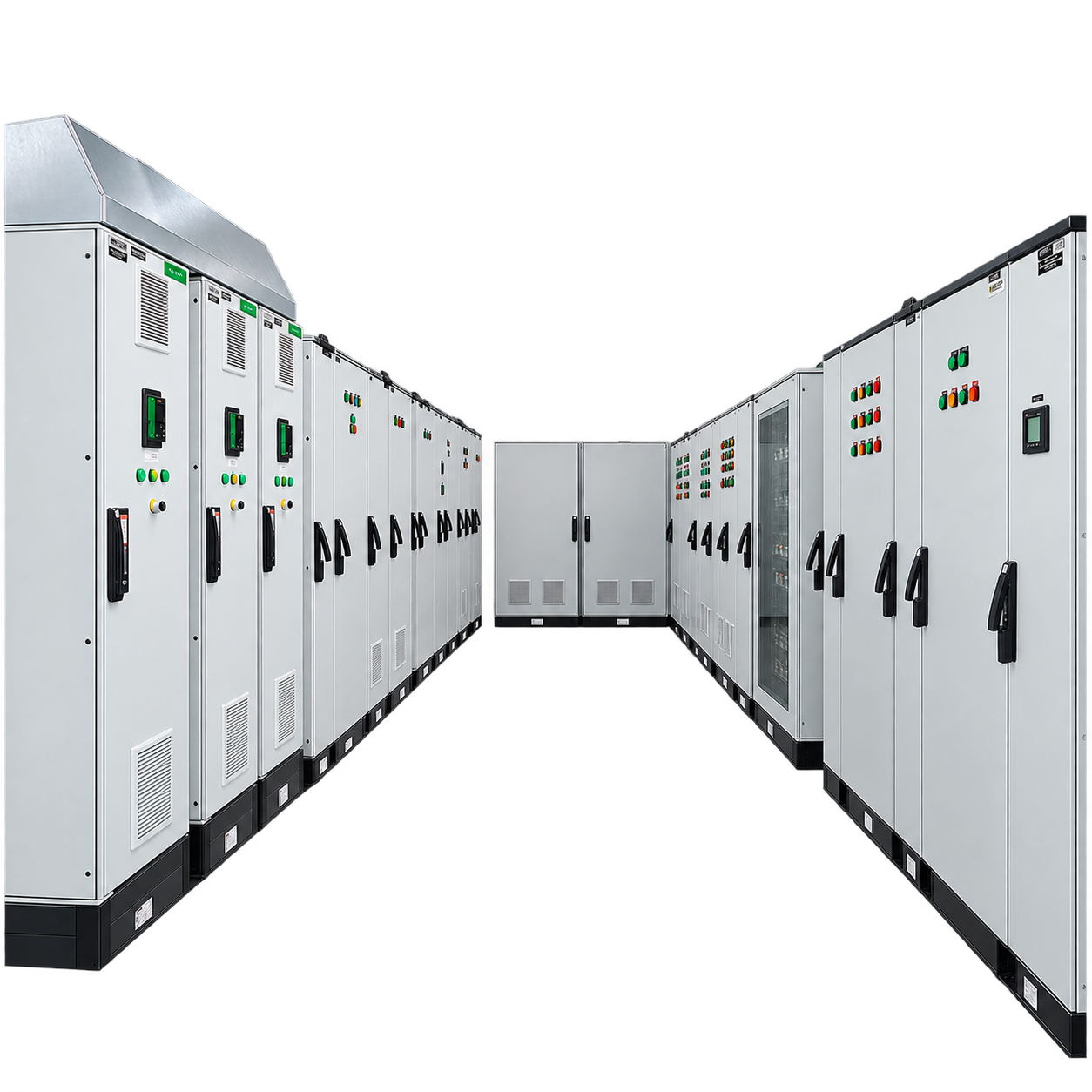
Electrical panels are a fundamental part of the electrical infrastructure in industrial, building, and utility projects. Their function extends beyond power distribution to include equipment protection, circuit control, power consumption management, automation, and system monitoring. These capabilities depend on the type and configuration of the electrical panel.
Power Distribution and Control Panels are designed and manufactured based on their application, voltage level, and the equipment used. Selecting the appropriate panel can play an important role in improving network safety, reducing equipment wear, and maintaining stable system performance.
Low-Voltage Electrical Panels
Low-voltage panels are used for the distribution and protection of electrical circuits within low-voltage ranges. These panels can be equipped with components such as power circuit breakers, MCCBs, and protection relays, and can be designed according to the network configuration to control and protect different sections of an electrical installation.
Medium-Voltage Electrical Panels (MV)
In projects requiring power distribution and control at medium-voltage levels, MV panels play an important role. These panels are designed in accordance with safety and operational requirements. Their compartmentalized construction allows different sections to be separated, improving safety during maintenance and servicing.
Proper insulation and well-designed compartmentalization are among the key features of medium-voltage electrical panels.
Control and Automation Panels
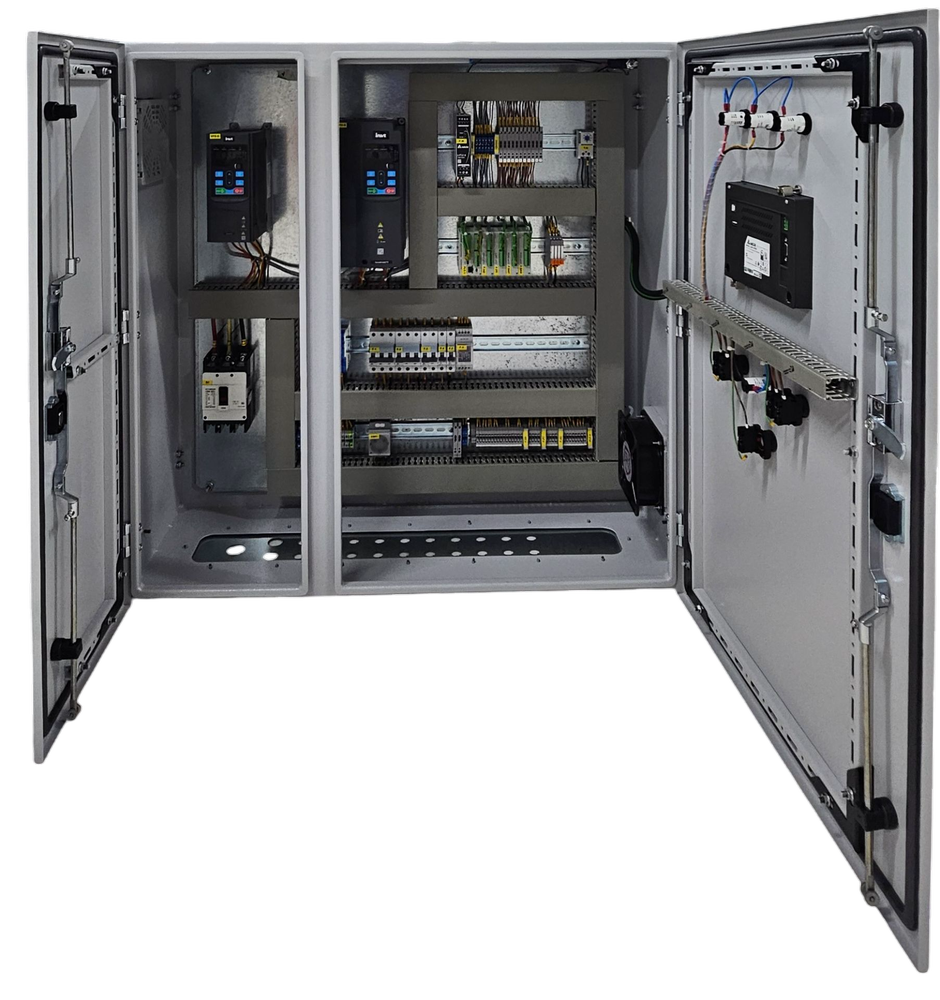
Control panels are designed to manage the operation of industrial equipment and processes. These panels can be equipped with control and automation components, enabling communication between different equipment and systems within a facility.
In projects utilizing BMS, PLC, and industrial automation systems, the control panel can serve as a key part of the command and control infrastructure, providing the central system with the information required for process monitoring and management.
Power Factor Correction Capacitor Bank Panels
Electrical loads, particularly in industrial facilities, can introduce reactive power into the electrical network. Capacitor bank panels are designed for power factor (P.F.) correction and can help improve electrical system efficiency by reducing the reactive power required from the network.
Proper use of capacitor banks can improve the power factor, help prevent additional costs associated with reactive power consumption, and create more favorable conditions for efficient operation of the electrical network.
ATS / UPS Panels
Continuous power supply is critical in many projects, as power interruptions can lead to process downtime, equipment damage, or data loss. ATS and UPS systems are used to manage and provide backup power under such conditions.
An ATS (Automatic Transfer Switch) enables automatic transfer of the power supply when the utility power fails or experiences an interruption. It can automatically bring an alternative power source, such as a generator, into operation. This function helps minimize downtime and improve the reliability of the power supply system.
Project-Specific Electrical Panel Design and Manufacturing
Electrical panels should be designed according to the network specifications, load characteristics, voltage level, connected equipment, operating conditions, and control requirements of each project. Therefore, power distribution and control panels can be customized and equipped according to the specific configuration of each project.
From distribution and protection panels to control panels, capacitor bank panels, and automatic power transfer systems, proper equipment selection and professional panel design have a direct impact on the safety, stability, and efficiency of the electrical system.
Electrical Panel Categories
- Low-Voltage Electrical Panels: Equipped with MCCBs, power circuit breakers, and protective devices
- Medium-Voltage Electrical Panels (MV): Featuring compartmentalized construction and appropriate insulation
- Control Panels: Suitable for process control, BMS, and industrial automation
- Capacitor Bank Panels: Designed for power factor correction and reactive power reduction
- ATS / UPS Panels: Used for emergency power management and automatic transfer between power sources
For the proper selection and design of an electrical panel, the technical specifications of the electrical network and connected equipment should be carefully evaluated. This ensures that the panel configuration is selected and implemented according to the actual requirements of the project.